
Data & Results
Data tells the story behind our work. It helps us determine the scale of need, measures the progress we’re making in the community, and allows us to see the gaps that demand additional action.
Data helps us to make investments where it matters most.
We use data not as an end point, but as a tool for ongoing discussions. The numbers reflect real people and real partnerships.
Data & Results
People Served in our four-county area

192,430 people were served by United Way-funded programs and partnerships across our community last year.*
An additional 235,876 individuals were served by United Way funded partner IMPACT 211.
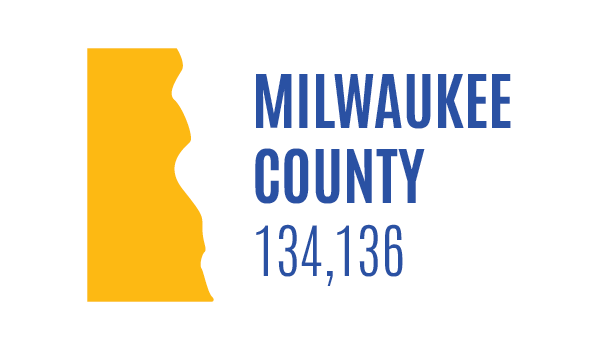
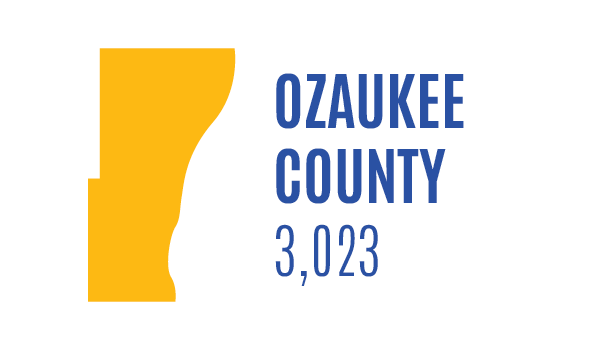
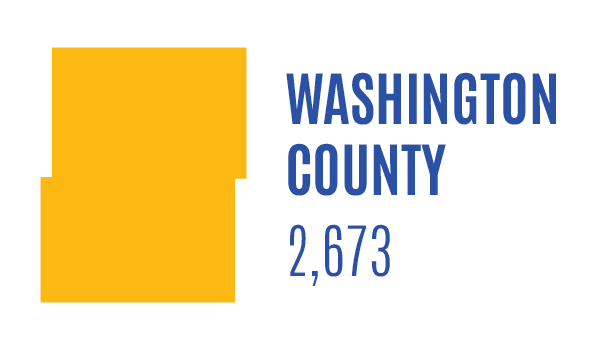
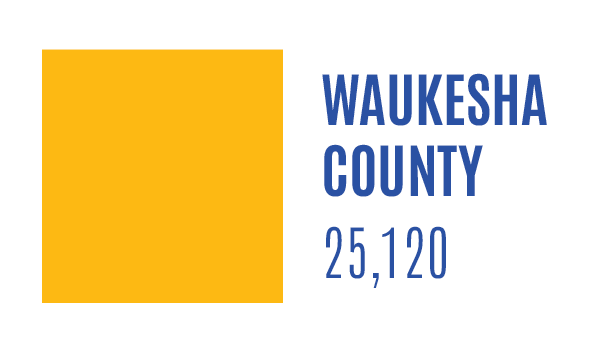
*27,478 individuals who were served in our community did not provide a ZIP code at intake.
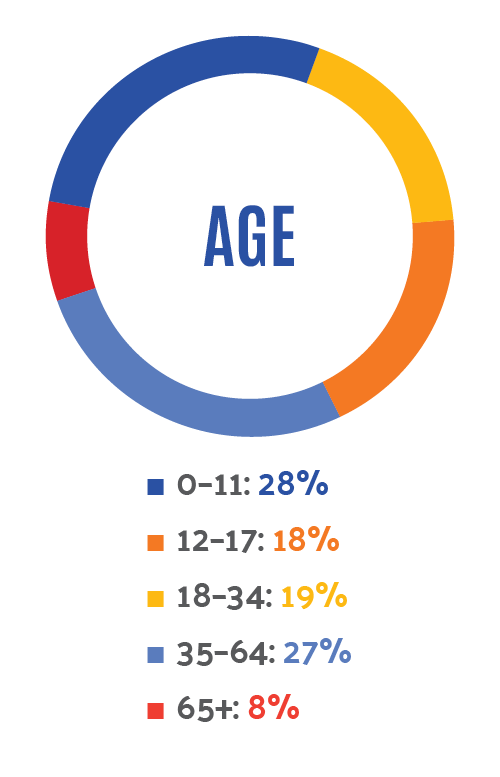
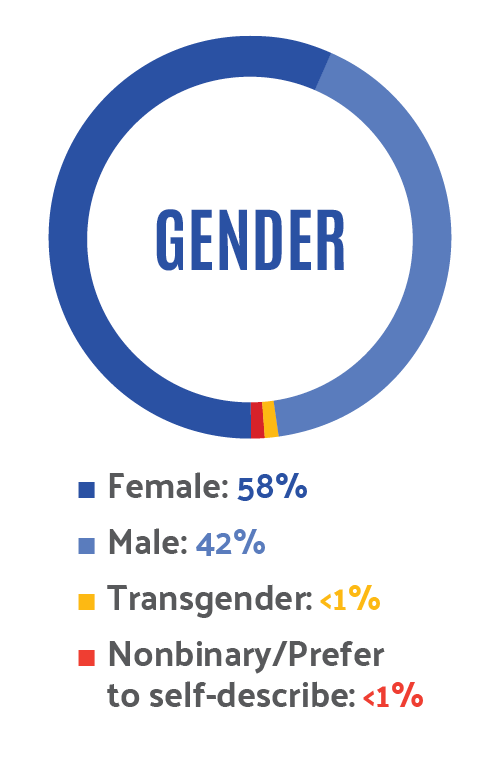
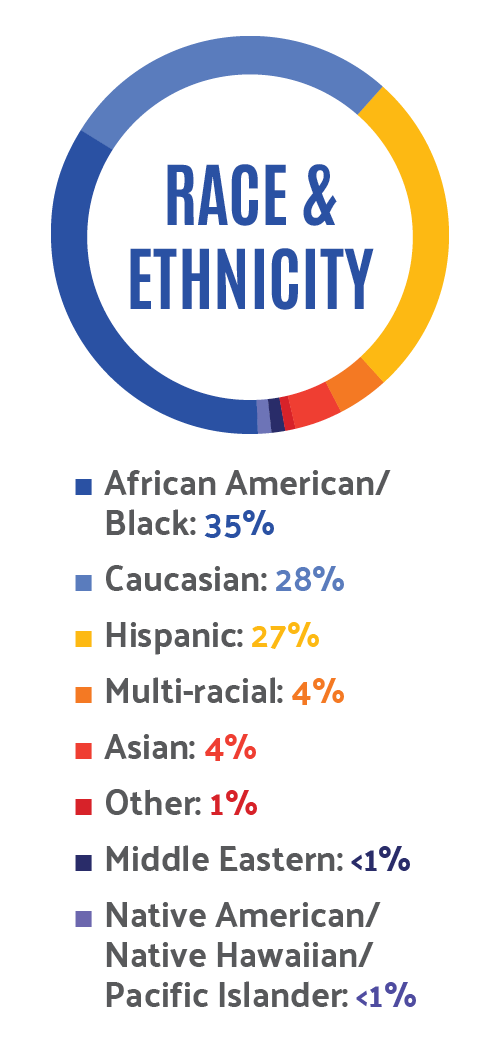
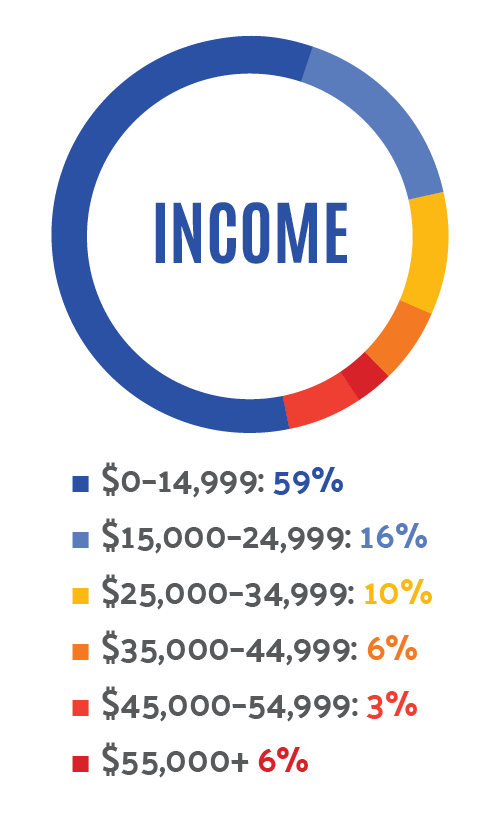
Demographics
Key Initiatives
Click the arrows below to see the impact we are making together in our community.
REDUCING BARRIERS TO EMPLOYMENT & ADVANCEMENT
OUR GOAL: 15,000 people will be ready to start stable careers having overcome key employment barriers by
Nearly 85,000 people across our four-county region are looking for work or working hard in jobs that leave them struggling to make ends meet.
Underemployment is widespread, with one-in-four workers in low wage positions that offer limited opportunities for advancement, few benefits, and paychecks that cannot keep up with the rising cost of housing and other basic needs.
THE REsults
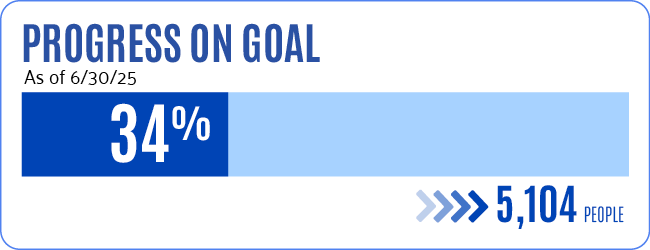
We are on track to meet our goal, with 5,104 people overcoming key employment barriers since the start of the initiative in 2023.
Since the beginning of funding:
- Over 17,500 people have been served by Reducing Barriers to Employment & Advancement programs.
- 1,089 industry-recognized credentials were obtained, including GEDs, High School Equivalency Diplomas, CNA, childcare, pre-apprentice certification, IT services, and construction certifications.
- 204 arrest records were expunged, in addition to 11 pardons.
- 214 driver's licenses were recovered.
- Over 1,000 riders received frequent rides to their jobs
- Over 1,200 individuals gained employment after being part of a Reducing Barriers to Employment & Advancement-funded program.
Our community saw the following results in 2024-25:
- We supported over 7,600 people who were served by Reducing Barriers to Employment & Advancement programs.
- We helped more than 700 individuals secure employment, turning support into real jobs and steady paychecks.
- We helped over 1,000 people earn industry-recognized credentials, building skills that lead directly to better jobs.
- We expunged 125 arrest records and secured four pardons, removing barriers and opening new opportunities.
- We restored 91 driver’s licenses, putting transportation and independence back in people’s hands.
- We provided more than 1,000 rides to work, helping people show up, stay employed, and keep income flowing.
In 2025-26, United Way provided funding to organizations focused on:
- Supporting people with disabilities.
- Empowering justice-impacted individuals.
- Addressing the need for skilled healthcare professionals.
- Moving members from “low-skill” positions to “mid-skill” positions that require more than a high school diploma, but less than a four-year degree.
- Offering opportunities to participate in English language learning, adult education, and GED preparation.
- Providing transportation to help someone get to wellpaying jobs.
SAFE & STABLE HOMES: ENDING FAMILY HOMELESSNESS
Our Goal: We have met our goal of ending family homelessness in our four-county footprint.
We have met the 58 criteria established by the U.S. Interagency Council on Homelessness for ending family homelessness in Milwaukee, Ozaukee, Washington, and Waukesha counties. We are grateful to everyone who have partnered with us. Together, we’ve built strategies, set goals, secured grants, launched programs, expanded existing programs, and so much more.
The Challenges
Six years ago, we uncovered a stark reality: about 5,000 students were experiencing homelessness during a typical school year across our four counties, and each month, 40–50 families were entering local homeless shelters.
At that time in Wisconsin, one in three people experiencing homelessness were part of a family with a child under the age of 18.
That’s when United Way and community members decided something had to be done. We brought together an advisory council of homelessness experts to delve into this stark reality: family homelessness was far more common than most people realized.
We knew we couldn’t change the circumstances that lead to family homelessness, but we could change how our system responds to these circumstances.
The Results
In 2024–25, our community delivered results that helped families stay stably housed. Together:
- We supported 4,600 families through Safe & Stable Homes programs, helping parents keep their housing and children maintain stability at home and in school.
- The Milwaukee Rental Housing Resource Center connected over 17,700 households to rental assistance, legal support, and mediation services. They also reached more than 70,000 tenants and landlords online with tools and guidance that help prevent housing crises before they start.
- We provided free legal help to nearly 3,000 families facing eviction, helping them stay in their homes and avoid displacement during already stressful moments.
- Across our four counties, we activated 24 coordinated programs delivering flexible financial assistance, case management, legal aid, and school-based housing support so families get help when they need it most.
In 2024–25, United Way provided funding to organizations, focused on:
- Providing community case management.
- Offering financial assistance.
- Covering closing costs for homeowners.
- Coordinating access to resources and supportive housing for individuals and families.
- Delivering wraparound supportive services for families.
TECHQUITY
The Challenges
Imagine trying to apply for a job, complete homework, or access healthcare services without a computer. For thousands in our community, that’s their reality.
Across our region, the digital divide is wide and persistent. The digital divide is the gap between those who have access to technology, and those we do not.
- More than 91,000 households do not have a basic computer.
- One in four children do not have access to a computer at home, leaving them to complete schoolwork without the tools they need to keep up or get ahead.
- And while the job market continues to evolve, 89% of jobs in Wisconsin now require digital skills, yet one in three workers does not have the skills needed to compete for those opportunities.
The Results
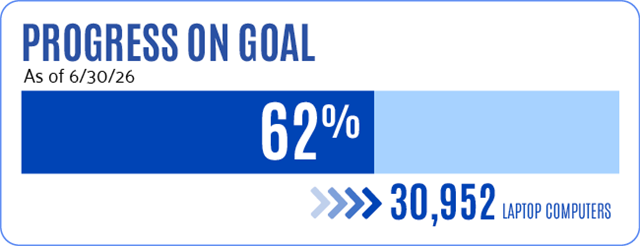
We have distributed business-grade laptop computers to 30,952 people.
Together, in 2024-25:
- We distributed over 15,500 computers to individuals.
- We held over 40 computer distribution events at United Way and at distribution hubs throughout our community. We gave computers at no cost to the guests and offered basic digital skill trainings.
- We introduced over 40 nonprofits as distribution partners.
- We supplied digital technical assistance to over 4,300 people.
- We helped people with technology needs over 5,100 times, including helping them log on to the computer, setting up their email, helping them get online, and more.
TEEN MENTAL WELLNESS: EMPOWERING MINDS
Our Goal: Empowering Minds Schools will elevate the mental wellness of 21,000 high school students by 2030.
WHY IT’S IMPORTANT
Today’s high school students are carrying a heavy burden, and too many are carrying it alone.
- Nearly 60% of Wisconsin high school students reported experiencing at least one mental health challenge in the past year.
- Over 50% of students reported symptoms of anxiety.
- One in three students said they felt sad or hopeless nearly every day for two weeks straight.
- In Wisconsin, only one in five students who need mental health support actually receives it.
The Results
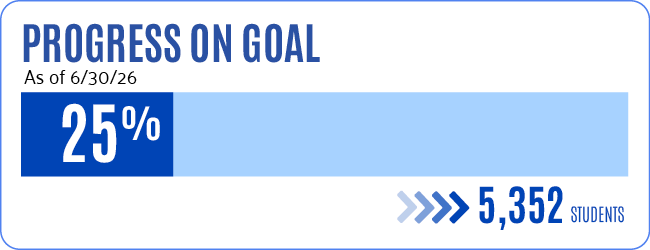
As of June 2026, six of the high schools we are investing in have met our definition of meaningful systems level change by implementing at least two milestones. We are now counting 5,352 students and have reached 25% of our main goal.