
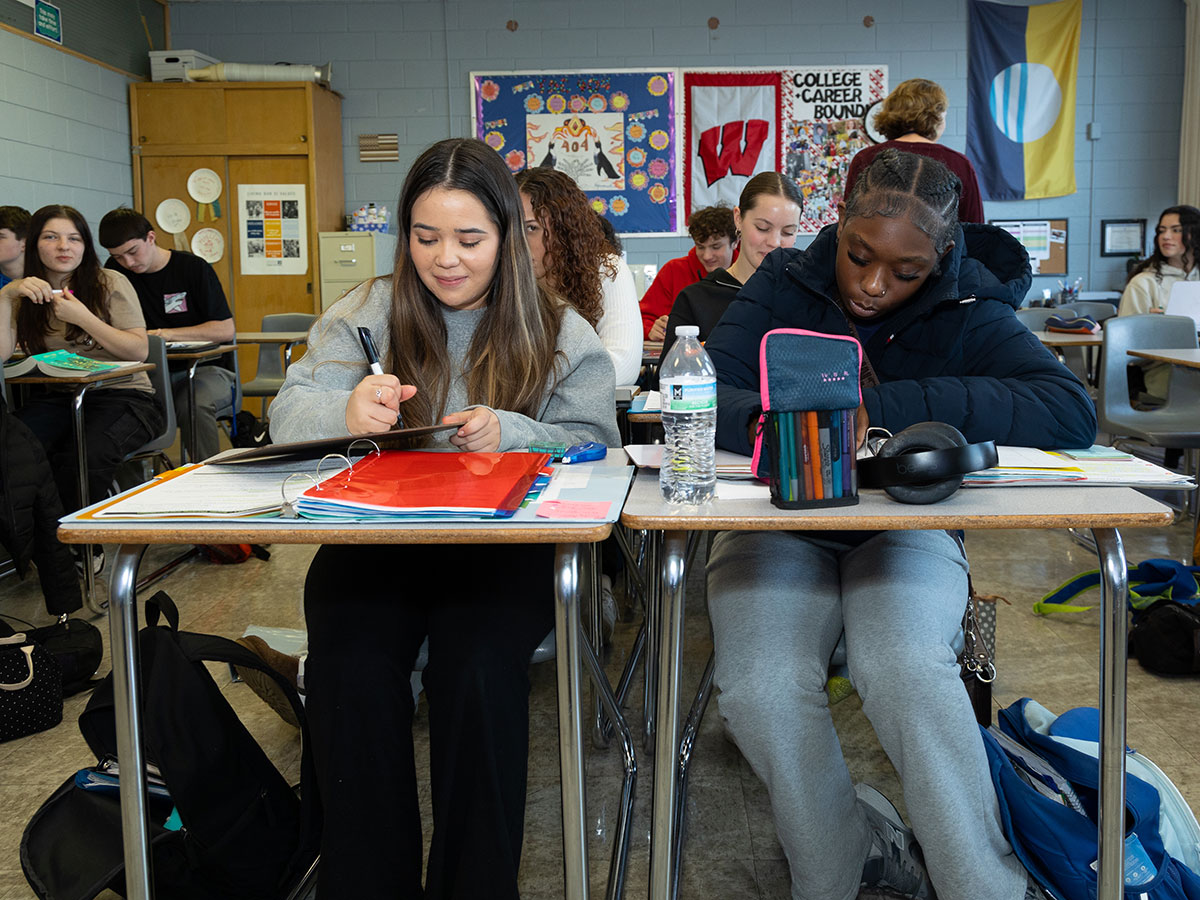
Teen mental wellness: Empowering Minds
Adolescence is a pivotal time for young people. When we can help kids here, we help launch successful futures.
Teen Mental Wellness: Empowering Minds
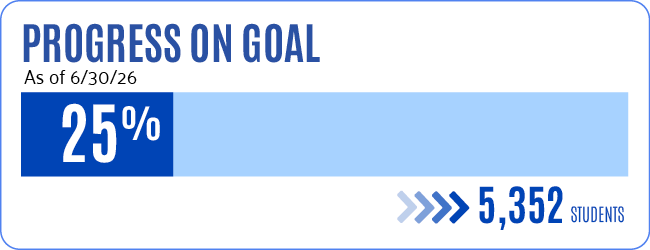
Our goal: Empowering Minds schools will elevate the mental wellness of 21,000 high school students by 2030.
The Challenges
Behind the faces of students sitting quietly in a classroom are complex and debilitating struggles.
We may not always see the signs, or we may overlook them altogether. But the struggles facing young people are real.
Overwhelming anxiety and persistent feelings of sadness are affecting students’ ability to learn, connect, and thrive, leaving too many feeling isolated and overwhelmed.
Today’s high school students are carrying a heavy burden, and too many are carrying it alone.
- Nearly 60% of Wisconsin high school students reported experiencing at least one mental health challenge in the past year.
- Over 50% of students reported symptoms of anxiety.
- One in three students said they felt sad or hopeless nearly every day for two weeks straight.
- In Wisconsin, only one in five students who need mental health support actually receives it.
Behind these numbers are students trying to show up to class and keep up with expectations. These are our sons and daughters, our nieces and nephews, our neighbors and friends.
They are doing their best to hold it together.
But they’re doing it without the support and guidance they need to succeed.
New and increased gifts to Teen Mental Wellness: Empowering Minds are doubled by the Medical College of Wisconsin from 7/1/26 to 6/30/27 up to $25,000.
The Solutions
Our goal: Empowering Minds schools will elevate the mental wellness of 21,000 high school students by 2030.
We are using targeted milestones as a road map for measuring our success. Schools will implement each of the milestones in order, building upon the former to create a comprehensive plan.
The six milestones are based on Wisconsin’s Department of Public Instruction’s School Mental Health Framework.

Needs assessment. A school examines its current state of mental wellness programs and resources and determines what it needs when discussing how to best serve their students.

Collaboration. This step is about building bridges with students, parents, community providers, and the school, listening to a variety of voices, and holding regular conversations about the mental wellness needs of students and staff.

Referral pathways: A school focuses on gaining understanding on how and when to triage students who need support into the right level of help.

Comprehensive resources: Once a school establishes resources and services, the focus shifts to promoting and supporting these resources, as well as overall mental wellness and early intervention information. This is also the time to examine how to care for students who need a higher level of support.

Sustainability. Establishing a comprehensive plan includes identifying strategies that allow for the work to continue year over year.

Evaluation. An important element of the process is to evaluate successes and ongoing challenges. The collection of both quantitative and qualitative data informs current and changing priorities.
How will we know when a school has implemented a milestone?
A milestone is achieved when schools implement the necessary components that improve their specific Mental Health System. Both quantitative and qualitative data is collected to ensure each component and milestone functions as intended.
We are not re-inventing the wheel with this initiative. We’re helping to scale existing, proven research.
WHAT WE FUND
High Schools
We are partnering with 21 high schools in 2026-27:
- Brookfield Central High School
- Cristo Rey Jesuit High School Milwaukee
- Grafton High School
- Hamilton High School
- Dr. Howard Fuller Collegiate Academy High School
- Marquette University
- Messmer High School
- Milwaukee Academy of Science High School
- Milwaukee High School of the Arts
- Pewaukee High School
- Pius XI Catholic High School
- Ronald Reagan High School
- Shorewood High School
- St. Augustine Preparatory Academy
- St. Thomas More High School
- Tenor Journal Square High School
- Vel R. Philips Juvenile Justice Center School
- Waukesha South High School
- Waukesha West High School
- Wauwatosa East High School
- Wauwatosa West High School
Community-Based Organization
We are also investing in organizations that provide school-based or community/clinic-based mental health services.
- Catholic Charities of the Archdiocese of Milwaukee
- Children’s Wisconsin Foundation
- Community Advocates
- Elevate
- Family Service of Waukesha County
- The Friendship Circle
- Jewish Family Services
- Lutheran Social Services of Wisconsin & Upper Michigan
- NAMI Southeast Wisconsin
- Ozaukee Family Services
- REDgen
- Wellpoint Care Network
Volunteers in Action: Teen Mental Wellness Kits
More than just supplies in a bag, each Teen Mental Wellness Kit represents a message to a young person: you are seen, you are supported, and you don’t have to face this alone. In 2025, you assembled 3,150 kits for high schools and youth-serving organizations. These kits offered teens a variety of tools to support their mental well-being. These kits put practical tools directly into the hands of teens, resources they can turn to when stress builds, anxiety rises, or they simply need a moment to reset and feel grounded.
Become a SUSTAINING Donor
Commit to making an annual gift of $5,000 or more to Teen Mental Wellness: Empowering Minds for 5 years.
The Facts
United Way prioritizes investing deeper into issue areas that meet the following criteria: an issue that truly impacts the community (indicated by data), an issue that our donors would be inspired to give to, and internal capacity and knowledge on the team to drive the work forward. The below facts are key to why this issue was selected.
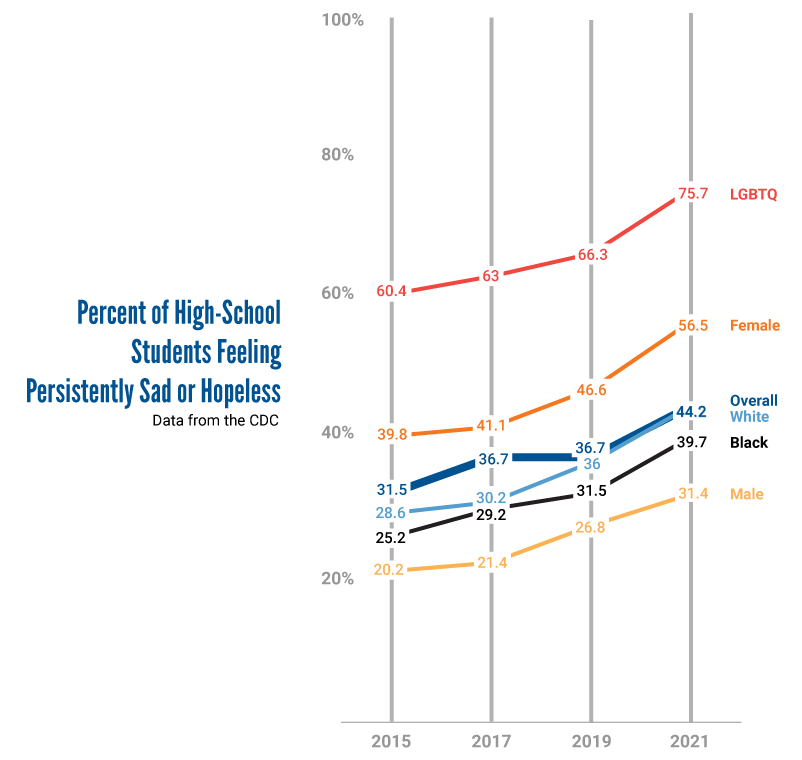 $100 billion is the economic cost of untreated mental illness for all ages each year in the U.S.
- 44% is the percentage of American teenagers that felt persistent feelings of sadness or hopelessness in 2021. This is the highest level ever recorded.
- Nearly 1 in 2 students in Wisconsin reported anxiety in 2019. A majority of youth in Wisconsin are connected to schools.
- 75% of adults with behavioral/mental health conditions experienced symptoms by age 24
- As of 2021, at least one-third of Wisconsin emerging adults ages 18-24 experienced anxiety on most days.
- While there are strong local initiatives and coalitions focused on younger children, there is not the same current support for high-school students.
- White youth are more likely than their Black and Hispanic counterparts to receive treatment after experiencing an acute major depressive episode.
- Treatment for depression remains highest among White teens. Estimates of past year treatment for depression were similar among Black and Hispanic teens and lowest among Asian teens.
Additional Details
Why did we pick this topic?
- We looked at a wide range of mental health issues facing our community it became clear after our analysis and conversations with stakeholders that youth mental health was the most urgent need.
- We know that:
- Mental health issues were increasing among youth before the pandemic.
- Poor mental health diminishes quality of life.
- Poor mental health is a known root cause of poor educational attainment, poor financial stability, substance use disorders, and homelessness, among other things.
- The U.S. Surgeon General issued an advisory in 2021 to highlight the urgent need to address the youth mental health crisis.
- Community stakeholders agree there are gaps in the current system that United Way has the ability to impact.
What impact do we think we can have?
Our goals are to:
- Create and support Empowering Minds Schools of Distinction.
- Reduce stigma – which leads to early detection, more effective prevention, increased access and utilization of mental health services, and a reduction in feelings of shame and self-consciousness by students
- Increase access to mental health services.
- Increase mental health literacy among adults and students – Mental health literacy creates a shared language among adults and students. Students have asked for more adults to have this shared understanding so that they feel more comfortable approaching an adult with any mental health issues they may be experiencing.
- Create healthier school and home environments – parents with lived experience that served as advisors strongly believe that home environments will also improve with this work because schools, caregivers, and home life are inextricably linked – what a student learns in school doesn’t stay at school when they go home.
What do we hope is different on the other end of the (multi-year) work?
Our goals are:
- Create systems level change – comprehensive school mental health systems will have positive effects at school, in the community, and at home.
- Have less students experiencing persistent feelings of sadness and hopelessness.
- Reduce mental health disparities among students.
- Improve student learning, attendance, engagement, graduation rates.
- Reduce bullying, risky behaviors, substance abuse, school violence, involvement in juvenile justice system.
Success Stories

Teen Mental Wellness Empowering Minds: Grafton High School

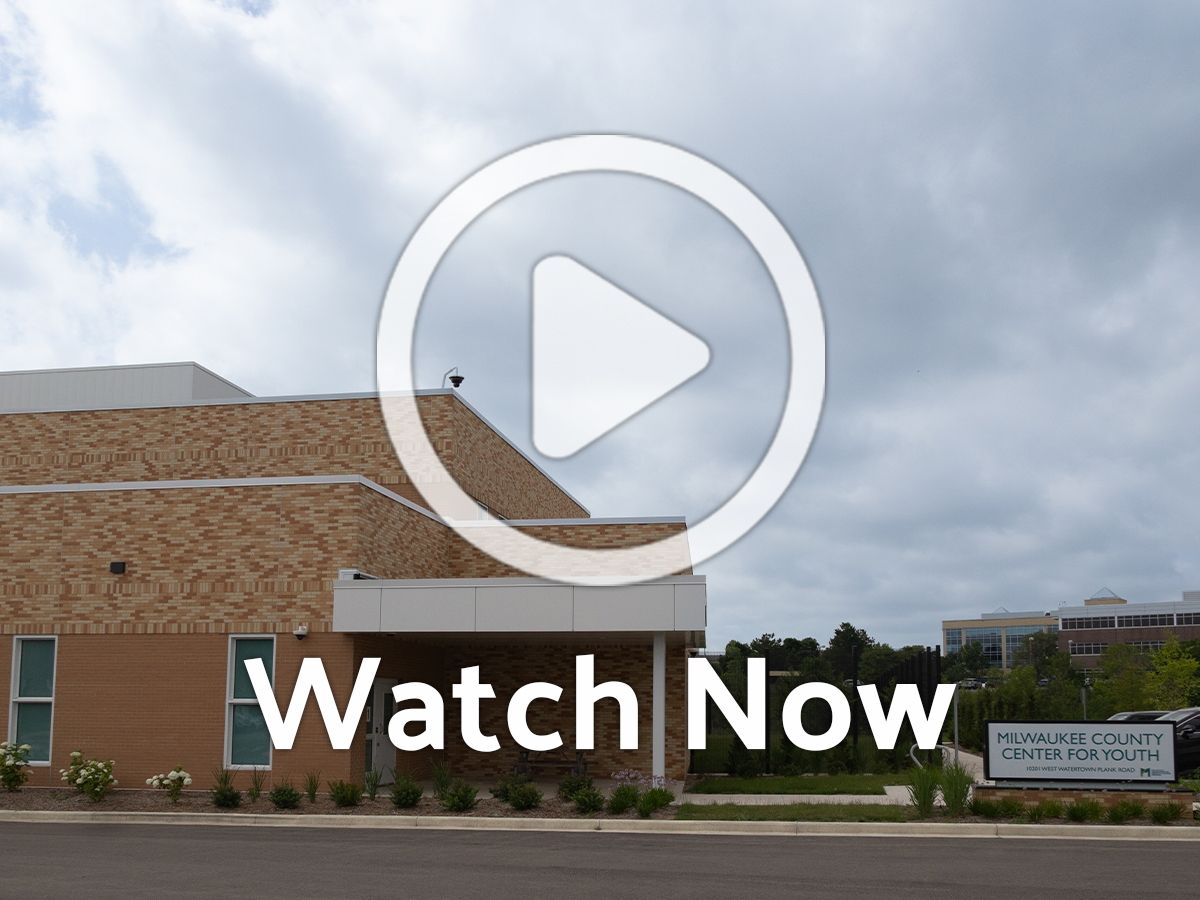
Teen Mental Wellness Empowering Minds: Vel R. Phillips Juvenile Justice Center School

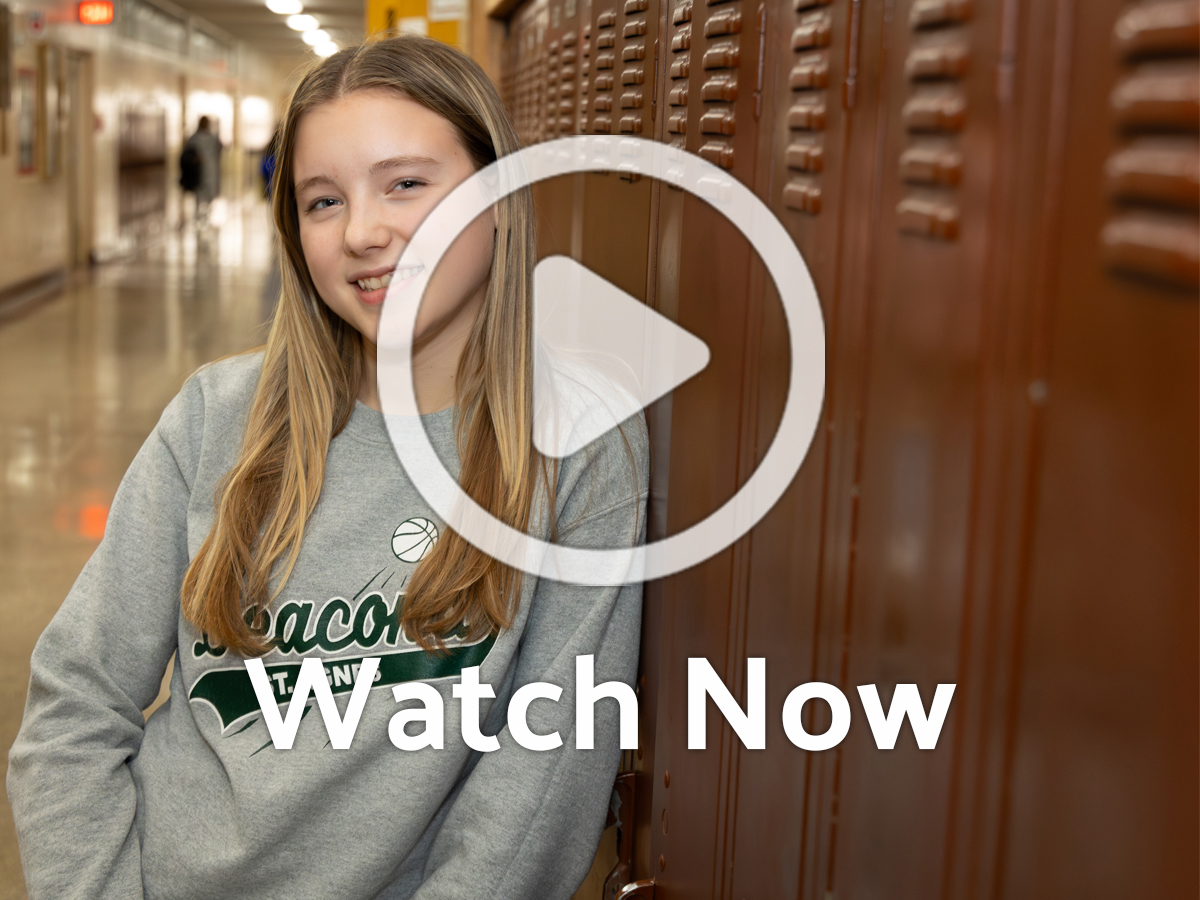
Teen Mental Wellness Empowering Minds: Daisy & Pius XI Catholic High School

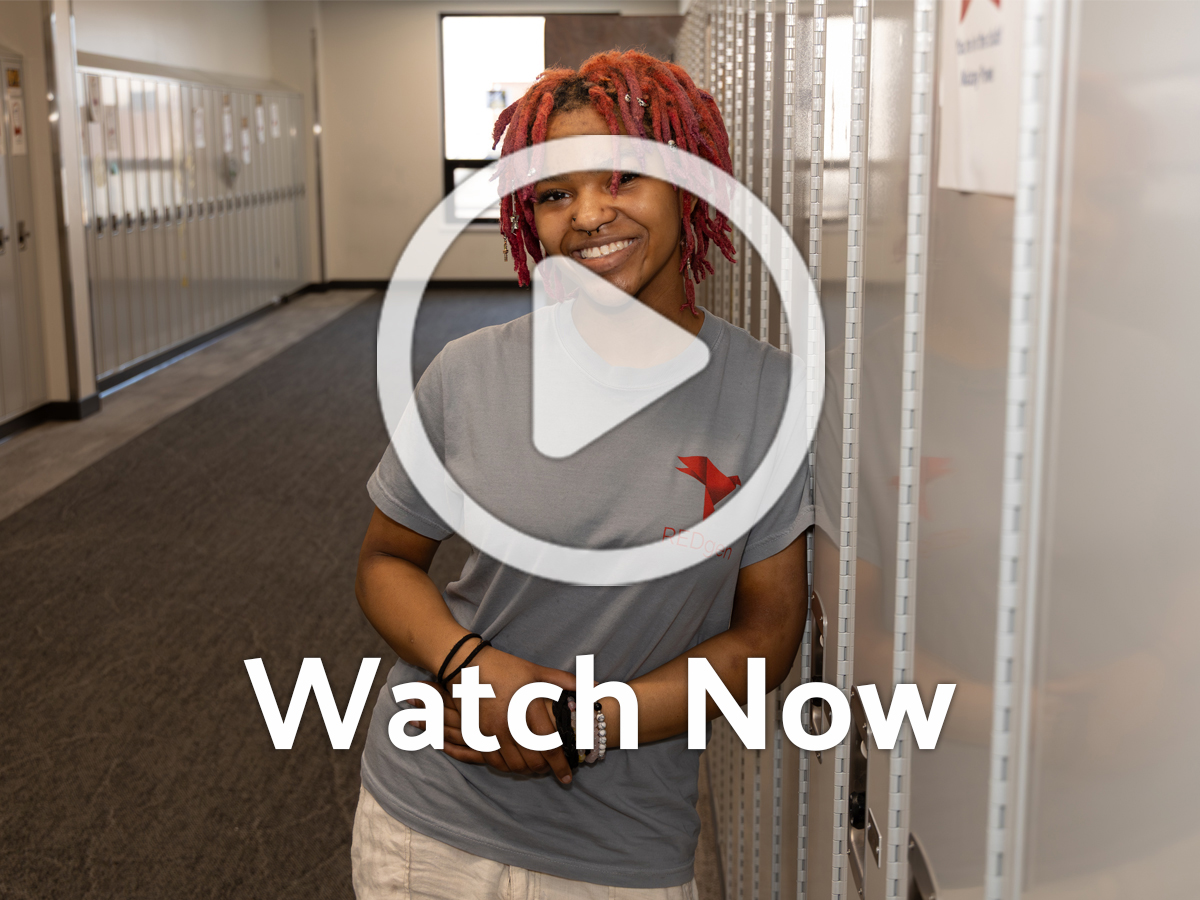
Teen Mental Wellness Empowering Minds: Lyrique & Dr. Howard Fuller Collegiate Academy
Videos

Special Thanks to our Teen Mental Wellness: Empowering Minds Sponsor
Questions: Contact Amanda Weiler, MPH at 414.263.8116 or via email.